
Log houses bring an undying charm, blending rustic aesthetics with natural living. But over time, even the sturdiest logs face the wear and tear of weather, pests, and aging materials. When signs of degradation start to appear, many homeowners find themselves caught in a common dilemma—do you just need a minor touch-up, or is it time to roll up your sleeves for a full-blown repair? While it’s tempting to take the minimal path to save time and money, ignoring deeper issues can result in more costly consequences. Understanding the difference between cosmetic imperfections and structural damage is vital for preserving both the beauty and strength of your log home.
In this blog, we’ll explore the signs that help you distinguish between what can be handled with simple upkeep and what calls for log home repair and restoration. From fading finishes to rotting logs, the clues are often more telling than they seem. By learning how to assess your home’s condition with care, you’ll be able to make more informed decisions that protect your investment and ensure long-term comfort.
Faded Stains or Peeling Finish May Only Need a Touch-Up, however, Don’t Ignore the Underlying Surface Condition.
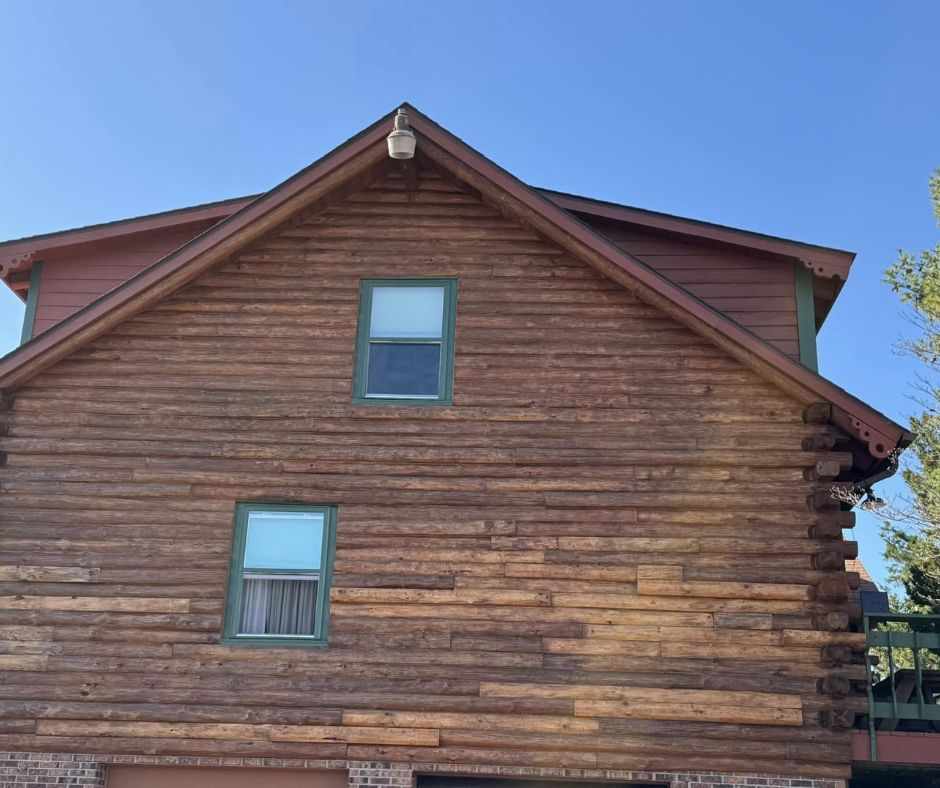
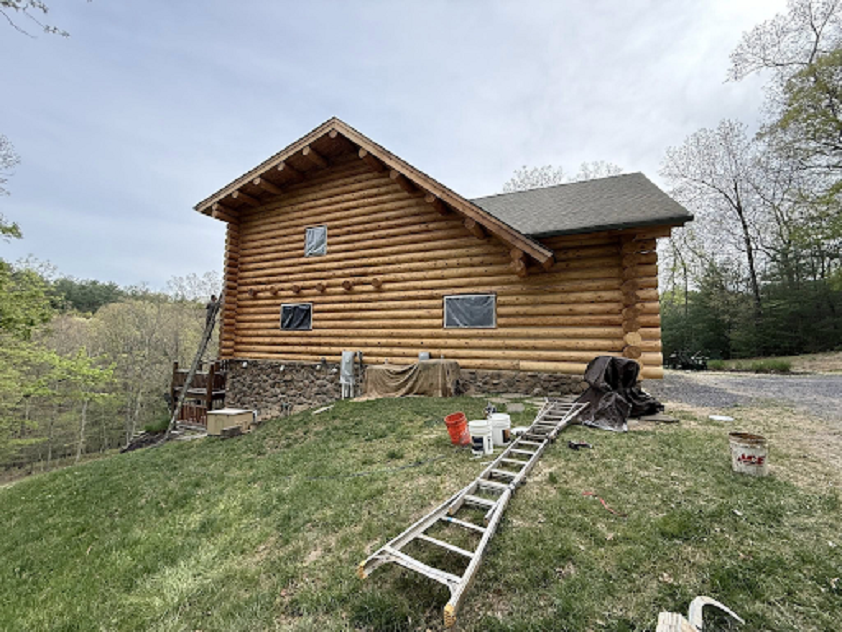
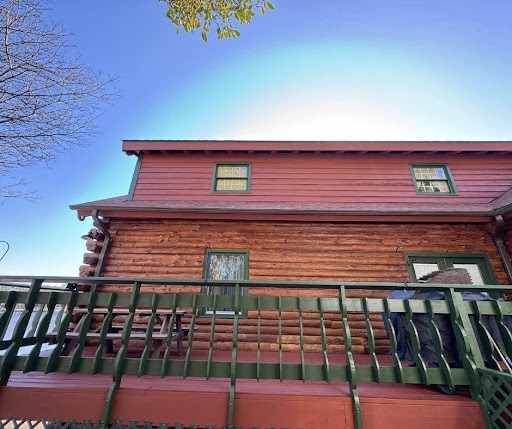
The first issue most log owners observe while their home begins to age is the outdoors end. UV rays, rain, and snow step by step break down protective stains and sealants, causing the surface to vanish or peel. In many cases, this is simply cosmetic and may be resolved with a fresh coat of stain or sealant. A touch-up might be all that’s required to repair the wealthy coloration and shine, particularly if the logs underneath are dry and strong, and display no signs of mold or rot.
However, even cosmetic damage can conceal deeper troubles. If the peeling stain has exposed the timber for a long term, moisture may have seeped in. Before leaping into a hint-up, it’s crucial to inspect the logs underneath the finish. Soft spots, spongy textures, or dark discoloration can also point to more critical water harm. In such cases, a full restore—in all likelihood even changing character logs—might be vital to repair both shape and feature.
Chinking Cracks and Small Gaps Can Often Be Repaired Easily, But Persistent Drafts May Indicate Structural Shifting
Cracks in chinking—the cloth used to seal the gaps between logs—are common and commonly not purpose for panic. These cracks may be filled with new chinking or sealant, a manner that’s enormously brief and low-cost. Minor gaps that broaden because of seasonal growth and contraction of the timber are predicted and usually don’t require huge paintings.
But in case you start noticing frequent drafts internal your property, specifically in regions previously sealed, or if the gaps are surprisingly wide and spreading, this will factor into deeper problems. Settling, shifting foundations, or poorly outfitted logs can create structural instability. If those issues are causing the chinking to fail again and again, it’s time to move beyond surface upkeep and deal with the middle of the problem with professional healing or even log substitutes.
Surface Mold or Mildew May Be Cleaned Off, however, Deeper Decay Requires Immediate Attention.
Mold and mildew generally appear in humid or shaded areas of a log home, particularly if there’s restrained air circulation. When stuck early, those issues may be resolved with a floor cleaning and the use of wooden-safe answers. A clean sealant utility later on will assist save you from recurrence, making this a traditional example of how a touch-up is enough.
However, mold is usually a sign that moisture is a gift—and moisture is the enemy of log homes. If you see mold returning quickly after cleaning or find it in areas where the wood feels smooth or punky, you will be coping with internal rot. Log rot isn't just a cosmetic difficulty; it weakens the structure of your house and may spread if not addressed. In such instances, a full repair involving log replacement, treatment, and refinishing is the simplest manner to steady your property’s lengthy-time period fitness.
Insect Damage Can Start Small however Often Requires More Than a Simple Fix.
Wood-boring insects like termites, woodworker ants, and beetles pose a hidden risk to log houses. At first look, you may best see small holes or first-rate sawdust close to the bottom of your logs, which might not seem pressing. A common mistake is assuming those can be controlled with a simple pesticide or treatment and a bit of timber filler.
Unfortunately, insect infestations hardly ever live limited to one area. By the time you notice surface evidence, the insects may also have already tunneled deep into the logs. What starts off as a small nuisance can cause substantial structural harm. If multiple areas are affected, or if the infestation is ongoing despite remedy, full repair—inclusive of putting off and changing damaged sections and sealing susceptible access points—is frequently the only powerful answer.
Drafty Windows and Warped Doors Could Be Symptoms of Log Movement or Settling
Log houses naturally settle over time, but immoderate settling can create substantial modifications in the shape. If your home windows and doorways are getting increasingly difficult to open or close, or in case you’re seeing choppy gaps around frames, you’re probably coping with greater than a beauty problem. These are regular signs that the logs are moving or that the inspiration is settling inconsistently.
While a few owners try to deal with these troubles through rehanging doors or including insulation, that simplest masks the signs. Full repair can be done to stabilize the logs, modify the frame alignment, or maybe shore up the muse. These types of maintenance require the expertise of log home contractors who recognize the particular mechanics of log production.
Minor Water Leaks Might Be Easy to Patch, But Persistent Moisture Signals Roofing or Structural Failures
A small leak within the ceiling or around a window in the course of heavy rain would possibly look like a minor inconvenience. Many homeowners reach for caulk or flashing to clear up the difficulty. However, if leaks are taking place again and again, or if water is displaying up in new locations, it’s time to research further.
Log houses depend on a complex machine of joints, overhangs, and gutters to manipulate water drift. If one place starts offevolved to fail, water can effortlessly discover its manner into others. Moisture-trapped interior partitions lead to rot, mold, and insect activity. Addressing those issues early with a complete inspection and centered repairs—every now and then inclusive of roofing, gutter systems, and drainage adjustments—is important to avoid even large structural screw-ups inside the destiny.
Cosmetic Blemishes Are Natural, but Structural Sagging or Bowing Is Not
Every log home develops a few cracks, knots, and floor imperfections over the years. These capabilities frequently upload to the rustic charm and don’t normally require interest. However, while parts of your log walls begin to bow outward or sag inward, that’s a red flag.
This type of deformation can occur when logs are overly dry, poorly stacked, or affected by foundational movement. While you are probably tempted to certainly patch over cracks or use decorative trims to cover flaws, structural sagging demands instant professional assessment. Depending on the severity, a complete restore regarding bracing, re-leveling, or even rebuilding elements of the wall can be required.
Conclusion:
Owning a log home comes with a unique blend of beauty and responsibility. While regular upkeep and timely touch-ups can keep your property looking its best, not all damage is surface-level. The key to long-term preservation lies in knowing how to distinguish between cosmetic flaws and deeper structural concerns.
Fading stains, minor chinking cracks, and surface mold can often be addressed with simple solutions. But when signs of rot, settling, infestation, or water damage begin to show, delaying full repairs can cause your investment to deteriorate quickly. Don’t wait for the problem to escalate—be proactive in assessing your home’s condition. If in doubt, call in a log house maintenance expert who can help you determine the best course of action.
By making informed choices today, you ensure your log home remains a source of comfort, pride, and timeless charm for years to come.


Write a comment ...